Psychedelic underground
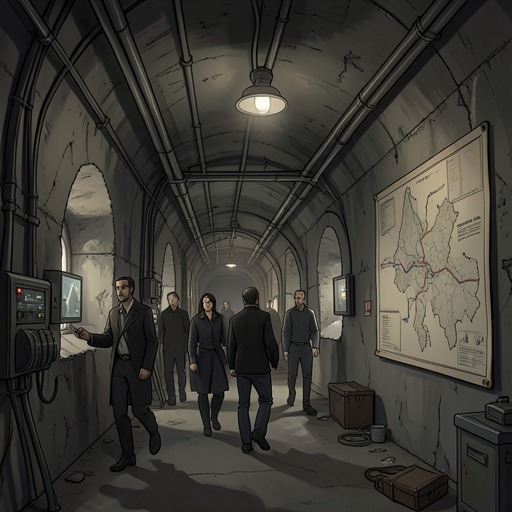
How to Change Your MindThe Psychedelic underground is not simply the illicit world of people making, selling, or taking psychedelic drugs. It is a distinct network of guides and therapists who continued to administer psychedelics in structured settings, seeking to treat illness or support spiritual, creative, and emotional development after the work was driven out of legal institutions. Its significance lies both in the care it offered and in the knowledge it preserved: practices carried forward through personal lineages, professional relationships, rules, and ritual, which later helped inform the revival of university research.
A practice forced out of public view
The modern underground took shape against a longer history of suppression. In southern Mexico, sacramental mushroom use had been kept secret from Westerners for centuries after Spanish authorities tried to eradicate it. The Spanish missionary Bernardino de Sahagún recorded an Aztec observance in which participants ate mushrooms and later described their visions to one another. Colonial authorities treated such practices as a rival religious authority: ceremonies were suppressed, sacred mushroom stones were broken, and the Roman Catholic Church condemned the use of plants for divination. This history provides a wider context for the underground’s central problem: psychedelic practice could not be separated easily from the religious meanings, ritual forms, and social arrangements that official institutions sought to control.
In the twentieth century, psychedelic therapy presented a different challenge to established psychiatry. Earlier models could be assimilated more readily: the psychotomimetic model treated drug effects as resembling familiar psychoses, while psycholytic practice made the drugs an adjunct to psychoanalysis. The psychedelic model proposed something more disruptive: a high-dose session that might produce a profound personal conversion, rather than a long sequence of ordinary weekly appointments. It also required new understandings of the roles of therapist and patient and placed unusual weight on spirituality, the therapeutic setting, and the relationship between guide and participant. When legal research and treatment were curtailed, practitioners who continued the work had to do so beyond institutional protections.
Guides, lineages, and precautions
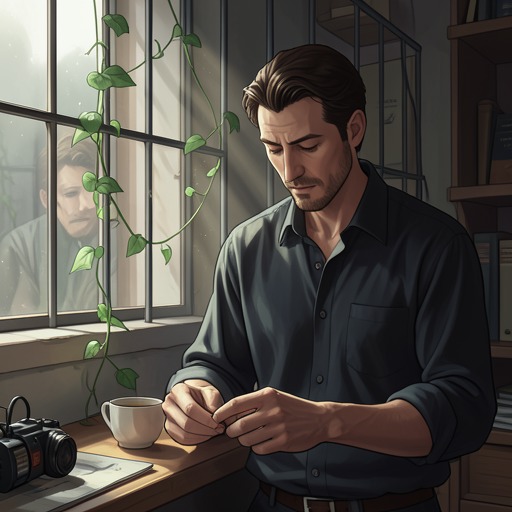
The guides described in the book formed a small, varied community, estimated at perhaps a couple of hundred people. Some were credentialed therapists, physicians, rabbis, or ministers; others identified as shamans or drew on alternative therapeutic and spiritual practices. The range included Jungian, Gestalt, and transpersonal therapists, as well as practitioners of breathwork, bodywork, meditation, and vision quests. Many had professional or intellectual roots in the human potential movement and its best-known gathering place, Esalen Institute. The work could put a guide’s freedom and professional license at risk, so practitioners asked that their names, locations, and identifying details be withheld. Michael Pollan reports that the people he encountered were real individuals, not composites, while explaining that identifying information had been changed for their protection.
The network was not a collection of wholly independent experimenters. Its members inherited practices from psychedelic pioneers, with lineages often tracing back to Timothy Leary, Stanislav Grof, Al Hubbard, or Leo Zeff, sometimes through a former student. Zeff became one of the best-known underground therapists. He had been a Jungian therapist in Oakland when he first took LSD in 1961; afterward, he incorporated several psychedelics into his clinical work. He found that the medicines could help patients move past defenses, bring unconscious material into awareness, and arrive at spiritual insights, sometimes in a single session. When psychedelics were placed in the most restrictive federal drug category in 1970, he chose to continue treating patients underground, despite the personal strain and risk.
Zeff’s work also helped give the practice a more explicit structure. He and other guides developed agreements and customs concerning confidentiality, professional boundaries, and conduct during sessions. He emphasized that guides should have personal experience with the medicines they administered, and that they should not impose a predetermined course on the participant’s journey. Rather than relying on the detached stance associated with conventional analysis, a guide might offer personal warmth or comforting touch when someone was having a difficult experience. Ritual details mattered as well: taking the medicine from a cup could mark the session as a transformation process, not merely the administration of a drug.
Knowledge passed between underground and clinic
The underground preserved more than individual practitioners’ stories. Its accumulated experience contributed, alongside first-wave research from the 1950s and 1960s, to the work that resumed in universities in the late 1990s. Researchers did not always acknowledge this influence publicly, but knowledge and personnel moved between the two settings. Some underground therapists were recruited to train guides for university trials. When the Johns Hopkins University team investigated the role of music in guided psilocybin sessions, it consulted underground practitioners about their musical practices.
A broader picture of the community emerged at a 2010 psychedelic science conference in San Jose, organized by the Multidisciplinary Association for Psychedelic Studies with support from other research and spiritual-practice organizations. The gathering brought scientists together with guides from both university trials and underground work. Around the same period, publicly available guidance documents collected experience on preparation, intention, drug interactions, the stages of a session, difficult moments, and post-session integration. The Guidelines for Voyagers and Guides presented this knowledge as useful to both participants and guides, whether the journey occurred inside or outside a clinical study.
For Michael Pollan, encountering these materials changed his understanding of the underground. What he had expected to be a loose assortment of people working independently appeared instead to have traditions, agreements, and practices transmitted across generations. This does not mean that the underground had the oversight of a licensed medical institution. It does mean that its work had developed forms of organization and accumulated standards that could not be reduced to the stereotype of unregulated, solitary drug use.
Containers, legitimacy, and the future
The underground’s methods illuminate a basic problem in psychedelic treatment: the drug’s effects cannot be understood apart from the circumstances in which it is taken. Conventional trials aim to isolate a chemical’s effects, yet participants and guides may recognize whether psilocybin or a placebo was administered, and expectations, therapeutic relationships, and setting can all shape what happens. Psychedelic therapy therefore unsettles familiar divisions between drug and experience, medicine and spirituality, or clinician and guide. Some researchers have described it as applied mysticism; others have been more cautious about bringing spiritual or shamanic ideas into a scientific setting.
The underground offers one answer to the problem of how to organize an intense experience: a social container made from preparation, guidance, shared expectations, ritual, and follow-up. The book contrasts this with the countercultural claim that no medical, religious, or scientific container is necessary and that people can manage the experience on their own. Its argument is not that one framework removes every risk, but that rules and knowledgeable guides can help channel a powerful experience toward useful ends. The underground’s practices developed partly because these supports were absent from ordinary public use and partly because the therapy itself exceeded conventional psychiatric categories.
The return of psychedelic therapy to clinical research has made the choice of container newly consequential. In the paired New York University and Johns Hopkins University cancer trials, about 80 percent of participants showed clinically significant reductions in anxiety and depression, with effects lasting at least six months. The trials involved only 80 people in total and required larger studies before regulatory change could be considered, but their results brought renewed institutional interest. At the same time, Bob Jesse warned that making medical treatment the sole legitimate destination for psychedelics could narrow their uses. Other researchers and advocates have imagined carefully supervised settings for spiritual seeking, personal development, or occasional exploration, not only treatment for illness.
Across these debates, the underground remains both a source of practical expertise and a challenge to the boundaries of professional authority. University medicine supplies one kind of structure; underground guides have sustained another, often at considerable personal risk. Neither a powerful session nor a moving spiritual experience guarantees lasting change. Preparation, skilled guidance, and integration help turn an episode into something a person can understand and use. The underground’s historical importance is therefore not simply that it kept psychedelic practice alive, but that it preserved the question of what kind of human, social, and therapeutic framework such practice requires.